The Impact of Processed Food on Joint Pain and Stiffness .
The Impact of Processed Food on Joint Pain and Stiffness
Introduction
In today’s fast-paced world, processed foods have become a staple in many diets. From ready-to-eat meals and snacks to sugary drinks and packaged items, convenience often takes precedence over health. However, frequent consumption of processed foods can have a profound impact on joint health, contributing to pain, stiffness, and inflammation.
What Are Processed Foods?
Processed foods are those that have been altered from their natural state for preservation, flavor, or convenience. Examples include:
Packaged snacks like chips and cookies
Sugary beverages and sodas
Frozen meals and instant noodles
Processed meats like sausages and hot dogs
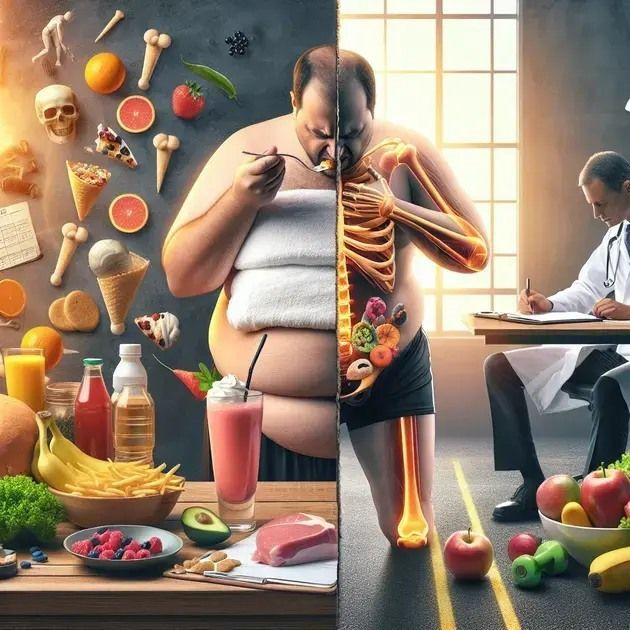
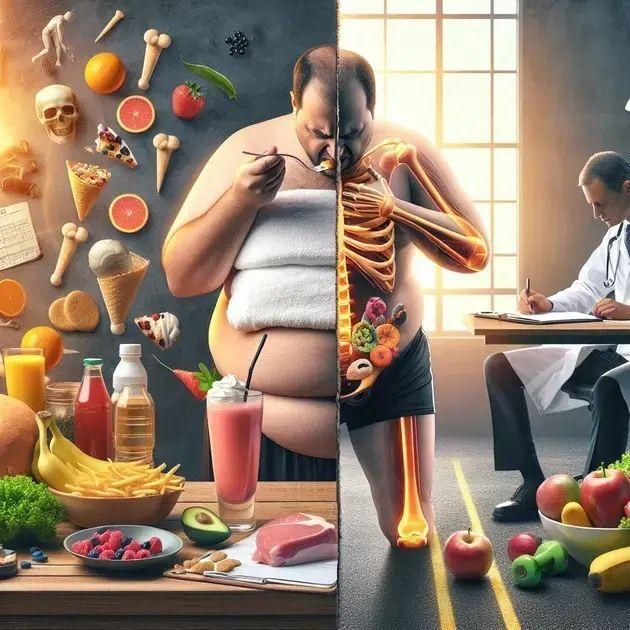
While some processed foods like canned vegetables or frozen fruits retain their nutrients, most highly processed items are rich in sugar, salt, unhealthy fats, and artificial additives.
How Processed Foods Affect Joints
1. Increase Inflammation
Many processed foods contain trans fats and refined sugars, which can trigger chronic inflammation in the body. Inflammation is a key contributor to joint pain and stiffness, especially in conditions like arthritis.
2. Contribute to Weight Gain
High-calorie processed foods can lead to weight gain, putting extra stress on weight-bearing joints like the knees and hips. This mechanical stress accelerates joint wear and tear and increases discomfort.
3. Deplete Nutrients
Processed foods often lack essential nutrients such as calcium, magnesium, vitamin D, and omega-3 fatty acids, all of which are crucial for strong bones and flexible joints. A deficiency in these nutrients can worsen joint problems over time.
4. Promote Oxidative Stress
Artificial additives and preservatives in processed foods can produce free radicals in the body. These unstable molecules damage cells, including those in cartilage, leading to stiffness and reduced joint mobility.
Healthier Alternatives
To protect your joints, it’s important to replace processed foods with nutrient-rich options:
Fresh fruits and vegetables
Whole grains like oats and brown rice
Nuts, seeds, and legumes
Fatty fish or plant-based omega-3 sources like flaxseeds
Natural spices such as turmeric and ginger
Conclusion
While processed foods are convenient, their regular consumption can negatively impact joint health. By reducing intake of sugary, fried, and highly processed foods and focusing on a balanced, nutrient-rich diet, you can reduce inflammation, maintain joint flexibility, and prevent long-term joint issues.
Summary
Processed foods, high in sugar, unhealthy fats, and additives, contribute to joint pain and stiffness by increasing inflammation, promoting weight gain, depleting essential nutrients, and causing oxidative stress. Replacing these foods with fresh, nutrient-rich options like fruits, vegetables, whole grains, and omega-3 sources can help maintain joint health, reduce pain, and improve mobility.
Comments
Post a Comment